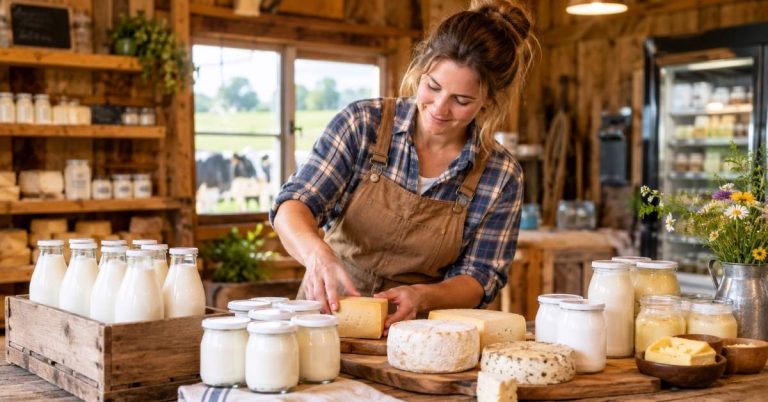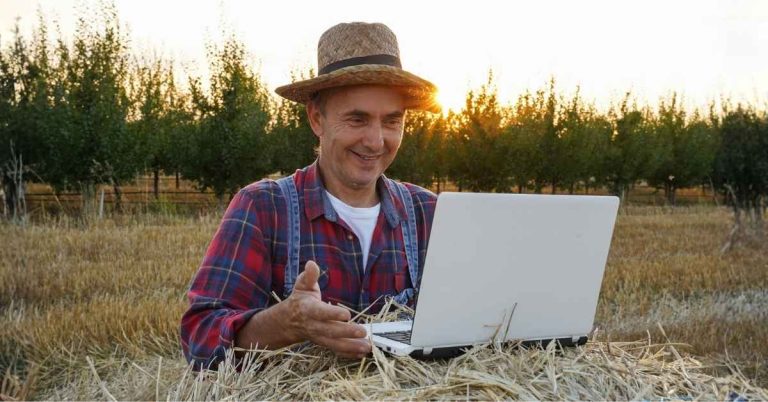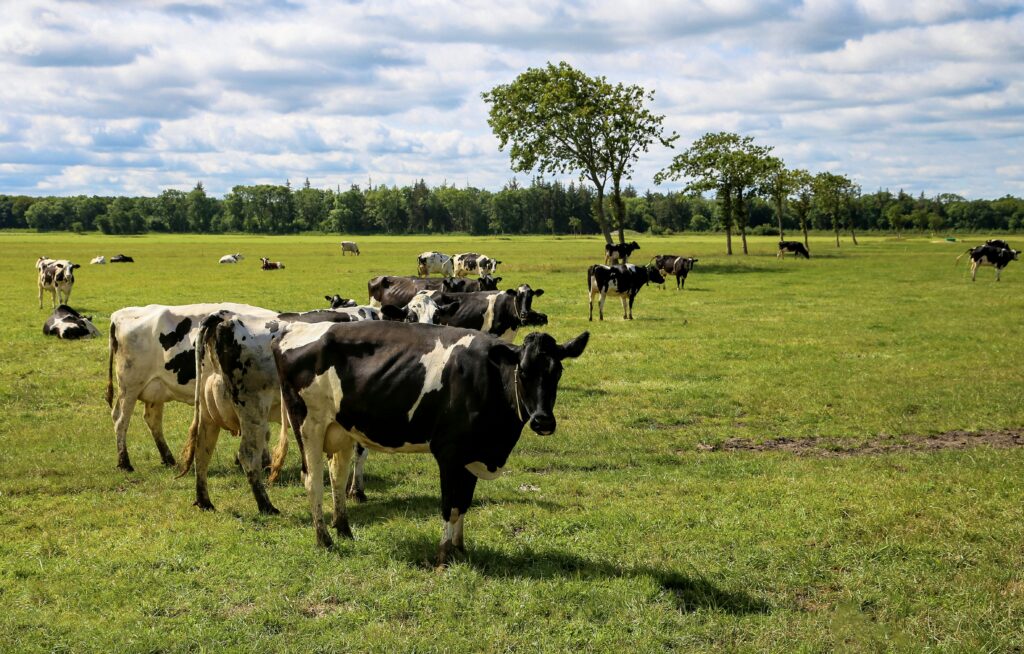
If you run a dairy farm or are thinking about starting a herdshare program, you already know the questions families ask. Is raw milk legal? How do I get it? What exactly is a herdshare?
These questions come up because selling unpasteurized milk directly to consumers is restricted in many parts of the United States. Families who value raw, minimally processed food are left looking for a lawful path to access it.
Herdshare programs have become that trusted path. They connect farms and consumers in a clear, structured way that works for both sides. This guide covers everything you need to know – how herdshares work, the legal side, what members expect, and how farms manage them well.
What Is a Herdshare?
A herdshare is a contract between a farm and its members. Instead of buying milk, a member purchases a share in the herd – a cow, a goat, or a portion of one. By becoming a partial owner, the member pays a recurring agistment fee that covers feed, housing, and labor. In return, they receive a portion of the milk produced by their animal.
This distinction is important. Members are not paying for milk. They are paying for the care of animals they partly own and receiving the products of those animals as owners.
How a Herdshare Program Works
The basic flow is straightforward:
- A consumer signs a herdshare agreement and pays a one-time buy-in fee to purchase their share.
- They pay a recurring agistment fee – usually weekly or monthly – to cover the cost of caring for the animal.
- They receive their portion of milk on a regular schedule through farm pickup or home delivery.
The herdshare contract documents ownership, responsibilities, and payment terms for both sides. It is the foundation of the whole arrangement.
Herdshare vs. Buying Raw Milk Directly
These two things are often confused. When you buy raw milk, you are purchasing a product from the farm. In a herdshare, you already own a share of the animal producing the milk. You are not buying milk – you are collecting what your own animal produces.
Many states treat these two situations differently under the law, which is why herdshares may provide a path where direct sales are restricted.
The Legal Background
Raw milk laws vary by state. There is no single federal rule covering herdshares nationwide.
- Many states restrict retail sales of raw milk for human consumption.
- Some states allow herdshares because owners are entitled to the products of their animals.
- Other states allow herdshares but require written contracts, membership agreements, and sometimes inspections.
Laws also change. Before starting a herdshare program, it is worth talking to a local farm attorney who knows your state’s current rules. Agistment contracts document ownership, responsibilities, and payments clearly – they provide legal protection for both the farm and the member.
What Is an Agistment Fee?
The agistment fee is the recurring payment a herdshare member pays for the care of their animal. A member owns a share of a cow or goat but does not live on the farm. The farm feeds, houses, milks, and manages the animal on the member’s behalf. The agistment fee covers those real costs – feed, bedding, labor, and sometimes veterinary care.
Most farms charge this on a weekly or monthly basis. It is one of the most misunderstood parts of a herdshare program, so explaining it clearly to every new member before they sign is worth the time.
Cowshare vs. Goat Share vs. Herdshare
These terms are used interchangeably, but there are small differences.
A cowshare refers specifically to a share in a cow or herd of cows.
A goat share works the same way but with goats – some families prefer goat milk for its digestibility.
A herdshare is the broader term that covers any herd, whether cows, goats, or sheep. Most farms and legal documents use herdshare as the standard term regardless of the animal involved.
Why Consumers Choose Herdshares
Families who join herdshare programs are not just looking for milk. They are looking for something they trust.
- Nutrition. Many families value the enzymes, beneficial bacteria, and nutrients present in raw milk.
- Transparency. Members know their farmer, the herd, and the source of their food.
- Tradition. People appreciate food raised with natural practices and minimal processing.
- Community. Herdshares create direct, lasting relationships between farms and families.
Many herdshare members tend to be loyal. They renew their memberships, refer friends, and often buy eggs, beef, and produce from the same farm when it is available.
Raw Milk and Pet Milk in Some States
In a number of states, raw milk can be sold if it is labeled for pet consumption. These sales often fall under animal feed rules that may require specific licenses and strict labeling. This path is not a substitute for herdshares, and regulators may review such sales closely. It does show that different legal frameworks can affect how raw dairy reaches consumers and animals.
Challenges Farms Face When Running Herdshares
Most farms start managing herdshares with spreadsheets. That works for five or ten members. At thirty members it starts to crack. Here is what typically piles up as a program grows:
- Tracking members, shares, and signed herdshare agreements without a system
- Collecting one-time buy-in fees and recurring agistment fees separately
- Coordinating pickup or delivery schedules and route cut-offs
- Sending reminders for pickups and schedule changes
- Keeping herdshare items private while selling other products like beef, produce, and eggs
- Handling vacation holds and in-store credits without losing track
Farms that grow without the right tools end up spending hours every week on admin work that should take minutes.
Stop Managing Your Herdshare on Spreadsheets
Download the free checklist used by herdshare farms to manage member onboarding, agistment billing, delivery, and monthly reviews — all in one place.
Instant delivery to your inbox. No spam, ever.
How Smart FDS Simplifies Herdshare Management
Smart FDS was built for farm operations that include herdshares, dairy, and member-based delivery. Here is what it handles:
Membership Management. Track herdshare owners, validity dates, and entitlements in one place.
Recurring Billing and Payments. Automate recurring fees with flexible schedules such as monthly, quarterly, half yearly, or annual. Reduce manual invoicing and ensure every member is billed on time.
One Time and Agistment Fees. Collect the buy in fee for membership and manage ongoing agistment fees for herd care on a weekly or other schedule.
Membership Product Rules. Apply product rules when a membership is purchased. Automatically add required products such as weekly milk to the member’s recurring items and prevent skipping, pausing, or removing them.
Herdshare Contracts and Agreements. Publish contract templates on your website for easy download and signing. Store signed agreements under each customer profile for quick retrieval.
Text Messaging and Reminders. Send automated SMS for pickups, schedule changes, and important updates.
In Store Credit Support. Handle refunds, credits, and adjustments without friction.
Popular Payment Gateways. Process secure payments with Authorize.net and Stripe. Support credit card refunds, tokenized cards on file, and reconciliation reports.
Private Membership Website. Restrict herdshare milk to subscribed members while selling additional items such as beef, produce, and cheese to grow revenue.
Route Based Cut Offs and Delivery Scheduling. Keep deliveries organized with route specific cut offs and multiple pickup or drop off points.
Wholesale and Retail Pricing. Set different pricing, minimum order quantities, and delivery fees by customer type.
Customer Dashboard. A complete self service portal for membership status and renewals, billing history, credit card management, recurring item adjustments, vacation holds, delivery schedules, order history, and a bulletin board.
Beyond Milk: Building a Complete Farm Business
Most herdshare farms also sell eggs, beef, produce, cheese, and pantry items. These add ons diversify revenue and deepen member relationships. Smart FDS supports herdshares and the broader farm store so members can buy more from the same trusted source.
Frequently Asked Questions About Herdshares
What is a herdshare program?
A herdshare program is an arrangement where a consumer purchases a partial ownership share in a farm animal – usually a cow or goat. Because they are an owner, they receive a portion of the milk that animal produces and pay a recurring agistment fee for the farm to care for the animal on their behalf.
Is a herdshare legal in my state?
Each state has its own rules around written contracts, labeling, and registration. Always confirm current rules with a local farm attorney before starting a program. For more details read: https://smartfds.co/resources/raw-milk-laws-by-state/
What is an agistment fee?
An agistment fee is the recurring payment a herdshare member pays for the farm to care for their animal. It covers feed, housing, and labor costs and is typically charged on a weekly or monthly basis.
What is a herdshare contract?
A herdshare contract is the written agreement between the farm and the member. It documents share ownership, agistment fee schedule, what the member receives, and the responsibilities of both parties. A signed contract is required before any herdshare arrangement begins.
How is a herdshare different from buying raw milk?
Buying raw milk means purchasing a product from the farm. In a herdshare, you own a share of the animal and collect what your animal produces. This distinction is often recognized differently under state law in states where direct raw milk sales are restricted.
Can herdshare milk be delivered?
Yes. Many farms deliver herdshare milk directly to members on a weekly route. Delivery schedules and cut-offs are managed through the herdshare agreement or farm management software.
How do farms manage herdshare memberships at scale?
Most farms start with spreadsheets but move to dedicated software as the program grows. Tools like Smart FDS herdshare program handle recurring billing, contracts, member profiles, delivery scheduling, and SMS reminders in one place so farms can focus on the animals instead of the paperwork.
What software do herdshare farms use to manage memberships and billing?
Most herdshare farms start with spreadsheets but quickly outgrow them. Smart FDS is built specifically for herdshare operations and the herdshare software handling recurring agistment fees, one-time buy-ins, member contracts, vacation holds, and delivery scheduling all in one place. No setup fee and no transaction fees.
Ready to Simplify Your Herdshare Program?
Herdshares connect farms and families with a clear, lawful structure. Managing them well is what allows a program to grow without consuming all of your time.
Smart FDS gives you the tools to run memberships, billing, delivery, and communication from one place – with no setup fee, no transaction fees, and an onboarding process that gets you running in under a week. To see how Smart FDS works for your farm, book a free demo.